

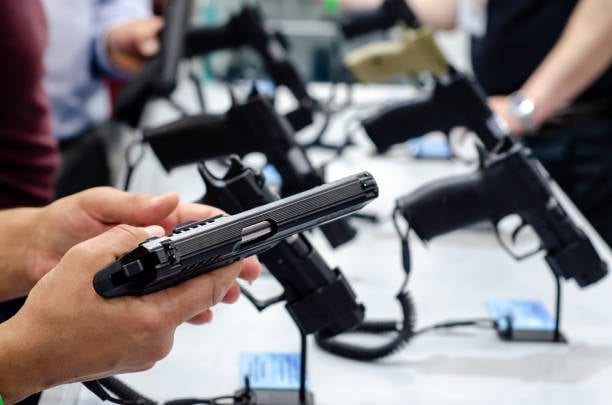
Buying a firearm from a licensed dealer involves more than selecting a product and completing a purchase. Federal and Nevada requirements govern dealer transactions, identification, paperwork, and background checks. For Nevada residents researching a firearms dealer in reno, understanding the basic process can make the transaction easier to navigate.
The rules can also vary depending on the type of transaction and the people involved. A licensed dealer is responsible for following applicable federal and state requirements before transferring a firearm to an eligible purchaser.
What Does a Firearms Dealer Actually Do?
A licensed firearms dealer operates under a Federal Firearms License, commonly called an FFL. ATF states that people engaged in the business of selling firearms generally need the appropriate federal license, and licensed dealers have recordkeeping and inspection responsibilities.
For buyers, the dealer serves as more than a retail point. The dealer handles required transaction records, verifies identification, and completes the required background-check process before an eligible firearm transfer.
Checking a Dealer’s Licensing
A buyer can ask whether the business is operating as a licensed dealer. Federal firearms licenses are issued by the Bureau of Alcohol, Tobacco, Firearms and Explosives, or ATF.
ATF also explains that dealers must maintain detailed records of firearm transactions and that their records and premises can be subject to inspection.
| Dealer consideration | Why it matters |
|---|---|
| Federal Firearms License | Confirms the dealer is federally licensed |
| Transaction records | Required for regulated dealer transactions |
| Identification verification | Helps establish the purchaser’s identity |
| Background check | Determines whether the transfer may proceed |
| Clear transaction process | Helps reduce paperwork errors |
How the Nevada Background Check Works
Nevada uses a state Point of Contact system for firearm background checks conducted by FFLs. Nevada’s Department of Public Safety states that Nevada FFLs use the Point of Contact Firearms Program instead of contacting the FBI’s NICS system directly. The state system can access Nevada criminal history information along with national records.
The purpose of the check is to determine whether a prospective purchaser is prohibited from receiving or possessing a firearm under applicable federal or Nevada law.
Identification and ATF Form 4473
For a dealer transaction, the purchaser completes the applicable sections of ATF Form 4473. The dealer must verify the purchaser’s identity using an acceptable government-issued identification document.
Nevada DPS states that the identification document must include the purchaser’s photograph, name, address, and date of birth. A valid Nevada driver’s license or identification card can meet these requirements.
ATF regulations also require the dealer to verify the transferee’s identity and record the identification used on the form.
What Happens During a Dealer Purchase?
The process normally involves several steps. The exact requirements can depend on the transaction, firearm, purchaser, and applicable law, so buyers should confirm current requirements with the dealer and relevant authorities.
A dealer generally verifies the buyer’s identity, ensures the required transaction form is completed, submits the background check through Nevada’s system, and waits for the applicable result before completing the transfer.
A Simple View of the Process
| Stage | What generally happens |
|---|---|
| 1. Select the firearm | The buyer chooses an available firearm |
| 2. Complete Form 4473 | The purchaser provides the information required by federal law |
| 3. Verify identification | The dealer checks an acceptable government-issued ID |
| 4. Submit background check | The Nevada Point of Contact system processes the request |
| 5. Receive the result | The transaction may proceed, be delayed, or be denied according to applicable requirements |
| 6. Complete transfer | The dealer completes the lawful transfer when permitted |
Nevada DPS currently states that its Point of Contact Firearms Program operates seven days a week during listed operating hours, with specific holiday closures. The state also assesses a $25 fee for each background check, including checks that result in a proceed, unresolved status, or denial.
What Can Affect a Background Check?
A background check does not simply confirm a person’s name. The information submitted by the dealer is used to determine whether the purchaser falls within a prohibited category under federal or state law.
Federal law includes several categories of prohibited persons. Nevada’s Point of Contact program also considers Nevada-specific restrictions.
Proceed, Delay, or Denial
A background check can produce different results. A proceed means the transfer may continue if all other applicable requirements are satisfied. A delay or unresolved result can require additional review. A denial means the transfer cannot proceed under the applicable restrictions.
A dealer cannot simply ignore a denial or bypass a required background check. ATF states that the required background check must be conducted before a covered firearm transfer, subject to applicable exceptions.
What Should Buyers Bring to a Reno Dealer?
Having the appropriate identification and information available can help avoid unnecessary delays. Nevada DPS specifies identification requirements for dealer transactions, and ATF rules govern the information recorded through Form 4473.
Identification Requirements
A purchaser should bring a valid government-issued identification document that meets the applicable requirements. Buyers should also provide accurate information when completing the required federal forms.
A Social Security card by itself does not meet ATF’s identification requirements because it does not contain all of the required identifying information. ATF explains that other government-issued documents may sometimes be combined when permitted by the rules.
What About a Firearm Transfer in Reno?
Firearm transfers can involve additional rules depending on who is transferring the firearm, who is receiving it, and whether a licensed dealer is involved.
An FFL transaction requires the applicable federal paperwork and background-check process. ATF states that Form 4473 is required for transfers by licensed manufacturers, importers, and dealers.
For transactions involving people who are not dealers, the applicable federal and state rules can differ. Buyers and sellers should not assume that a private transfer follows exactly the same process as a dealer sale.
Why the Transaction Type Matters
The legal requirements can change based on factors such as residency, the parties involved, and the type of transfer. Some transfers can also involve additional federal requirements.
For that reason, anyone arranging a firearm transfer in Reno should confirm the current requirements before completing the transaction rather than relying on an older understanding of Nevada law.
Questions to Ask a Reno Firearms Dealer
A buyer can make the process clearer by asking practical questions before beginning a transaction. This can include questions about identification, required paperwork, background-check fees, transfer procedures, and any additional dealer charges.
Confirm Current Requirements
Firearm laws can change, and online information may become outdated. Nevada DPS and ATF provide the official information for their respective requirements. A licensed dealer can also explain the steps that apply to a particular transaction.
For local buyers, the goal should be a lawful and properly documented transaction rather than relying on assumptions about what is required.
Final Thoughts
Purchasing a firearm through a licensed dealer in Reno involves several steps designed to verify eligibility and document the transaction. Understanding the role of the dealer, Nevada’s background-check system, identification requirements, and federal paperwork can help buyers approach the process with accurate expectations.
Because firearm laws and administrative requirements can change, buyers should confirm current rules with the dealer and official Nevada and federal sources before completing a transaction. This helps ensure that the purchase or transfer is handled according to the requirements in effect at the time.
Frequently Asked Questions
1. Do I need a background check to buy a firearm from a licensed dealer in Reno?
Generally, a licensed dealer must conduct the required background check before a covered firearm transfer, subject to applicable federal exceptions. Nevada FFLs use the state’s Point of Contact Firearms Program for these checks.
2. What identification do I need to purchase from a dealer?
Nevada DPS states that an FFL must verify the purchaser’s identity using a valid government-issued identification document containing a photograph, name, address, and date of birth.
3. What is ATF Form 4473?
ATF Form 4473 is the federal Firearms Transaction Record used for covered transfers by licensed firearms dealers. The purchaser completes the applicable sections, and the dealer verifies the information and identification before proceeding with the transaction.
4. What should I check before choosing a Reno firearms dealer?
Check that the business operates as a properly licensed dealer and ask about the transaction process, identification requirements, background-check procedures, transfer fees, and any other applicable charges. A licensed dealer should be able to explain the paperwork required for the transaction.
5. How can Rightful Liberty Arms help with the purchasing process?
Rightful Liberty Arms can provide local information about its available services and dealer process. Buyers should contact the business directly for current information about inventory, transaction requirements, identification, and applicable fees.