

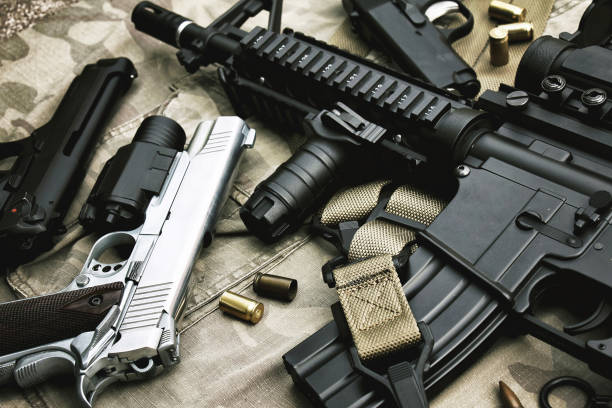
A licensed firearms dealer operates under specific federal and state requirements. For buyers and businesses researching a licensed firearms dealer, understanding what an FFL is and how dealer compliance works can make it easier to evaluate a firearms business.
In Nevada, federally licensed dealers also work with the state’s Point of Contact Firearms Program for required background checks. The state system provides access to Nevada criminal history information along with national records.
What Does FFL Mean for a Firearms Dealer?
FFL stands for Federal Firearms License. The license is issued by the Bureau of Alcohol, Tobacco, Firearms and Explosives, commonly known as ATF.
A person or business that intends to engage in the business of dealing in firearms generally needs the appropriate federal license. ATF’s application guidance states that applicants must intend to engage in a firearms business, comply with applicable requirements, and maintain detailed transaction records.
More Than a Business License
An FFL is tied to specific federal responsibilities. A dealer must maintain required records, follow firearm transfer procedures, and make those records and licensed premises available for inspection under applicable federal rules.
State and local requirements can also apply. ATF specifically notes that state or local laws and ordinances may impose additional licensing, zoning, insurance, tax, or other requirements on a firearms business.
How a Dealer Becomes Federally Licensed
Obtaining an FFL involves an application and review process rather than simply registering a business name. ATF reviews the application, conducts required background checks, and evaluates whether the proposed business operations and premises comply with applicable laws.
For a dealer applicant, ATF’s process can include an interview and inspection conducted by an Industry Operations Investigator. The investigator prepares a report and recommendation as part of the licensing process.
Requirements Can Include State and Local Compliance
Federal approval does not remove the need to comply with other applicable rules. ATF states that applicants may need to satisfy state or local requirements involving matters such as zoning, permits, insurance, or other business regulations.
| FFL compliance area | What it involves |
|---|---|
| Federal licensing | Obtaining and maintaining the appropriate FFL |
| Business premises | Operating from premises that meet applicable requirements |
| Background checks | Completing required checks before covered transfers |
| Transaction records | Maintaining required firearm transaction documentation |
| Inspections | Making premises and records available as required |
| State and local rules | Meeting additional requirements that apply to the business |
Nevada Has Its Own Background Check Process
Nevada uses a state Point of Contact system for firearm background checks conducted by FFLs. Rather than contacting the FBI’s NICS system directly, Nevada FFLs use the Nevada Department of Public Safety’s Point of Contact Firearms Program.
The state program checks relevant Nevada and national records to determine whether a prospective purchaser falls into a prohibited category under federal or Nevada law.
What Happens During a Nevada Dealer Transaction?
For a covered dealer transaction, the purchaser completes the applicable portions of ATF Form 4473. The dealer verifies the purchaser’s identity against a valid government-issued identification document before contacting the Nevada Point of Contact Firearms Program.
Nevada DPS states that the identification document must include a photograph, name, address, and date of birth. A valid driver’s license or identification card can meet the identification requirement.
The state currently charges a $25 fee for each background check. The fee applies whether the result is a proceed, unresolved status, or denial, and the fee becomes non-refundable after the background-check request is made.
Recordkeeping Is a Major Part of FFL Compliance
A licensed dealer’s responsibilities do not end when a transaction is completed. Federal rules require dealers to maintain specific records relating to firearm transactions.
ATF Form 4473 is one of the central records in a dealer transaction. Federal regulations require licensed dealers to retain required Form 4473 records, and current ATF regulations provide for retention until the licensed activity is discontinued.
Why Form 4473 Matters
Form 4473 records information provided by the purchaser and information related to the dealer’s transfer. ATF describes the form as part of the process used to determine whether an unlicensed transferee may lawfully receive a firearm and to initiate the required background check.
Dealers need to ensure that the form is completed correctly and retained according to current requirements. Errors or missing information can create compliance problems.
What Records Must a Dealer Maintain?
FFL recordkeeping covers more than a single sales receipt. Depending on the transaction and license type, dealers may need to maintain acquisition and disposition records, Forms 4473, required reports, and other documentation.
Current federal regulations require licensed dealers to retain each Form 4473 as part of their required records. ATF also states that current rules require licensees to retain required records until the business or licensed activity is discontinued.
Recordkeeping and Inspections
ATF can inspect a licensed dealer’s premises and records under applicable federal authority. This is one reason accurate recordkeeping is a central part of operating a compliant dealership.
| Record or compliance area | Purpose |
|---|---|
| Form 4473 | Documents covered firearm transactions |
| Acquisition and disposition records | Tracks required firearm movements |
| Background check information | Supports eligibility determination |
| License information | Establishes federal dealer status |
| Required reports | Documents certain regulated events |
| Business records | Supports compliance and inspection requirements |
What Should Buyers Look for in a Licensed Gun Dealer?
A buyer researching a dealer can start by confirming that the business operates as a federally licensed dealer. It can also be useful to ask about the transaction process, identification requirements, background checks, transfer procedures, and applicable fees.
A dealer should be able to explain the paperwork required for a transaction without asking customers to guess which documents they need.
Clear Procedures Matter
A clear process helps customers understand what happens before a transfer can be completed. It also allows the dealer to identify missing information before submitting a background check.
For people comparing gun traders in eno, questions about FFL status, transaction procedures, identification, transfer services, and applicable fees can help establish what to expect before starting a transaction.
Nevada and Federal Rules Work Together
A licensed dealer in Nevada must consider both federal requirements and applicable Nevada rules. Federal law establishes the FFL framework, recordkeeping obligations, and many transfer requirements. Nevada’s Point of Contact system adds a state-specific process for background checks.
This means a dealer cannot treat federal licensing as the only compliance issue. State and local requirements can also affect how a firearms business operates.
Why Current Information Matters
Firearm regulations can change through legislation, regulations, and administrative updates. ATF and Nevada’s Department of Public Safety publish current information for dealers and the public.
For example, Nevada’s Agency Portal for FFLs went live in January 2025, allowing registered dealers to submit background checks and receive results through a web-based system.
What Compliance Means for Businesses
For a firearms business, compliance is an ongoing responsibility rather than a one-time licensing step. The business needs procedures that support accurate forms, background checks, record retention, inventory records, and other applicable requirements.
Staff also need to understand their responsibilities because a mistake during a transaction can affect the dealer’s records and regulatory compliance.
Keeping Processes Consistent
A dealer can reduce administrative problems by using consistent procedures for identification checks, Form 4473 completion, background-check submissions, recordkeeping, and transaction documentation.
The exact procedures should follow current ATF rules, Nevada requirements, and any other applicable state or local requirements.
Final Thoughts
A compliant firearms dealership involves much more than holding an FFL. Dealers must follow federal licensing rules, maintain required records, complete applicable background checks, verify identification, and comply with Nevada and local requirements.
For buyers and businesses researching a licensed dealer, understanding these responsibilities provides a clearer picture of what a properly documented firearm transaction involves. Since requirements can change, current information from ATF and Nevada’s Department of Public Safety should be checked before relying on any specific legal or administrative requirement.
Frequently Asked Questions
1. What is an FFL in Nevada?
An FFL is a Federal Firearms License issued by ATF. Businesses engaged in the licensed dealing of firearms generally need the appropriate federal license and must follow applicable federal, state, and local requirements.
2. Does a Nevada FFL use the FBI directly for background checks?
Nevada FFLs use the Nevada Department of Public Safety’s Point of Contact Firearms Program rather than contacting the FBI’s NICS system directly. The state program can access Nevada criminal history records as well as national records.
3. How long does an FFL have to keep Form 4473?
Current federal regulations require licensees to retain required records, including Form 4473 records, until the business or licensed activity is discontinued, subject to the applicable recordkeeping rules.
4. What should I ask a licensed firearms dealer before making a purchase?
Ask about the dealer’s FFL status, identification requirements, background-check process, transfer procedures, applicable fees, and any additional documentation required for the transaction. Requirements can depend on the specific circumstances.
5. How does Rightful Liberty Arms fit into this process?
Rightful Liberty Arms can provide information about its dealer services, transaction procedures, and current requirements. Customers should contact the business directly for details that apply to a specific transaction.