

The FFL gun transfer process plays an important role in ensuring firearms are transferred legally and in compliance with federal and state regulations. Whether you are purchasing a firearm online, receiving one from another individual, or transferring ownership, understanding the process can help you avoid unnecessary delays and complications.
Many firearm owners encounter issues because of simple mistakes that could have been prevented with proper preparation. Learning about these common pitfalls can save time and ensure a smoother experience. If you are looking for professional guidance, Rightful Liberty Arms helps firearm owners navigate the transfer process while maintaining full compliance with applicable regulations in Reno, Nevada.
Understanding the FFL Gun Transfer Process
An FFL transfer involves the legal movement of a firearm between parties through a federally licensed firearms dealer. This process helps ensure that all transactions meet legal requirements and that background checks are completed when necessary.
Understanding how the process works is the first step toward avoiding costly and frustrating mistakes.
What Is an FFL Transfer?
An FFL transfer occurs when a firearm is transferred through a Federal Firearms License holder. The licensed dealer serves as an intermediary and ensures that all legal requirements are followed before the firearm is released to the recipient.
Common situations requiring an FFL transfer include:
- Online firearm purchases
- Interstate firearm sales
- Transfers between private parties when required by law
- Certain inherited firearm transactions
- Transfers involving licensed firearm dealers
Why Federal and State Regulations Matter
Federal firearm laws establish baseline requirements for firearm transfers. However, states may impose additional regulations that must also be followed.
Requirements can vary depending on:
- Residency status
- Waiting periods
- Documentation requirements
- Background check procedures
- Firearm type restrictions
Failing to understand these requirements can result in delays or denied transfers.
Mistake 1: Choosing an FFL Dealer Without Research
One of the most common firearm transfer errors is selecting an FFL dealer without evaluating their experience, reputation, or understanding of compliance requirements.
Working with the wrong dealer can create unnecessary complications during the transfer process.
Verifying Licensing and Credentials
Before initiating a transfer, verify that the dealer holds a valid Federal Firearms License and operates in compliance with applicable laws.
Important factors to review include:
- Current licensing status
- Industry experience
- Customer reviews
- Knowledge of transfer procedures
- Compliance practices
Choosing a qualified dealer helps reduce the likelihood of mistakes.
Evaluating Experience With Firearm Transfers
Not all FFL dealers handle transfers with the same level of expertise. Experienced professionals are often better equipped to address challenges and answer questions throughout the process.
Benefits of working with an experienced dealer include:
- Faster processing
- Better communication
- Regulatory guidance
- Accurate documentation handling
- Reduced transfer delays
Selecting a knowledgeable provider can significantly improve the overall experience.
Mistake 2: Providing Incorrect or Incomplete Information
Even small errors in paperwork can disrupt the FFL gun transfer process. Incorrect information is one of the leading causes of transfer delays.
Accuracy is essential from the beginning of the transaction.
Common Documentation Errors
Applicants often make mistakes when completing required forms or submitting identification documents.
Frequent errors include:
- Misspelled names
- Incorrect addresses
- Outdated identification
- Missing signatures
- Incomplete forms
Carefully reviewing all information before submission can prevent unnecessary setbacks.
How Incorrect Information Delays Transfers
When information does not match official records, additional verification may be required. In some cases, transfers may be delayed until discrepancies are resolved.
Potential consequences include:
- Extended processing times
- Background check issues
- Additional documentation requests
- Administrative corrections
- Transfer cancellations
Taking time to verify information can help avoid these problems.
Mistake 3: Ignoring State and Local Firearm Laws
Many firearm owners focus solely on federal regulations while overlooking state or local requirements.
This oversight can create serious compliance issues during a transfer.
Differences Between Federal and State Requirements
Federal law establishes general transfer procedures, but state laws may impose additional rules.
Examples of state-specific requirements include:
- Waiting periods
- Registration requirements
- Purchase permits
- Firearm restrictions
- Additional background checks
Understanding these differences is critical for compliance.
Staying Updated on Legal Changes
Firearm laws can change over time. What was permitted previously may no longer apply under updated regulations.
To stay informed:
- Review current state laws
- Consult qualified professionals
- Verify local requirements
- Monitor regulatory updates
- Confirm compliance before transferring
Remaining informed helps reduce legal risks and transfer complications.
Mistake 4: Failing to Communicate With All Parties Involved
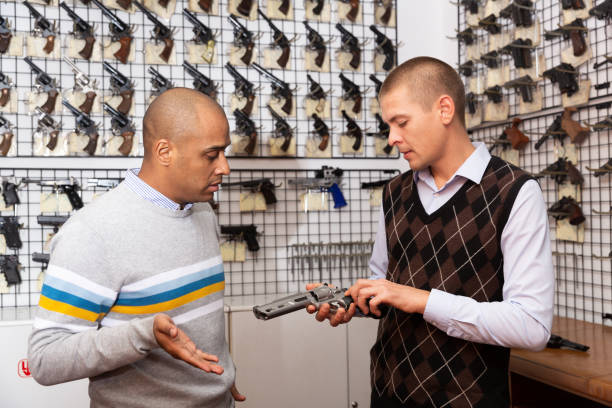
Successful FFL transfers depend on clear communication between the buyer, seller, and FFL dealer.
Miscommunication can create confusion and delay the process.
Coordinating Between Buyer, Seller, and FFL Dealer
Each party has responsibilities during the transfer. When expectations are unclear, delays often occur.
Important communication topics include:
- Transfer timelines
- Required documents
- Shipping arrangements
- Dealer information
- Pickup procedures
Keeping everyone informed helps the transaction proceed smoothly.
Tracking Shipment and Transfer Status
Many firearm transfers involve shipping a firearm to a receiving FFL dealer.
Tracking shipment progress helps ensure the firearm arrives safely and on schedule.
Recommended practices include:
- Confirm shipment details
- Retain tracking numbers
- Verify dealer receipt
- Follow up regularly
- Keep transfer records
Active monitoring helps prevent misunderstandings.
Mistake 5: Not Preparing for the Background Check
The background check is a key component of the FFL gun transfer process.
Failure to prepare can result in delays that could otherwise be avoided.
Understanding the Background Check Process
Most firearm transfers require a background check before the firearm can be released.
The process is designed to verify eligibility and ensure compliance with applicable laws.
Applicants should be prepared to:
- Present valid identification
- Complete required forms
- Answer questions accurately
- Verify personal information
- Follow dealer instructions
Preparation helps the process move more efficiently.
Common Background Check Issues
Several factors can affect background check processing.
Common issues include:
- Inaccurate personal information
- Similar names in records
- Missing documentation
- Data entry mistakes
- Unresolved record discrepancies
Reviewing information carefully before submission can reduce these risks.
Mistake 6: Overlooking Transfer Fees and Associated Costs
Many firearm owners focus on the purchase price and forget to account for transfer-related expenses.
Unexpected costs can create frustration if not anticipated.
Understanding Typical FFL Transfer Fees
Transfer fees vary depending on the dealer and the services provided.
| Cost Category | Purpose | Why It Matters |
|---|---|---|
| FFL Transfer Fee | Covers the dealer’s processing and transfer services | Compensates the dealer for handling documentation and compliance requirements |
| Background Check Fee | Supports required eligibility verification procedures | Helps ensure legal compliance before firearm release |
| Shipping Costs | Covers transportation of the firearm to the receiving dealer | Varies based on distance, carrier, and shipment method |
| Administrative Charges | May apply for additional paperwork or record management | Supports accurate documentation and transaction processing |
| State or Local Fees | Required in certain jurisdictions based on local regulations | Ensures compliance with applicable state and local laws |
Budgeting for the Entire Transfer Process
Preparing a complete budget helps avoid surprises and supports a smoother transaction.
Before beginning a transfer:
- Ask about all fees
- Request pricing details
- Understand payment requirements
- Plan for additional costs
- Keep receipts for records
Proper budgeting helps prevent delays related to payment issues.
FFL Transfer Tips for a Smooth and Compliant Experience
Following proven FFL transfer tips can help firearm owners complete transfers efficiently while avoiding common errors.
Preparation and attention to detail make a significant difference.
Create a Transfer Checklist
A checklist can help ensure all required steps are completed before initiating the transfer.
Items to include:
- Valid identification
- Dealer contact information
- Required forms
- Shipment details
- Payment arrangements
Checklists help reduce oversights and improve organization.
Work With Compliance Focused Professionals
Experienced professionals understand the complexities of firearm transfer regulations and can guide customers through each stage of the process.
Benefits include:
- Regulatory guidance
- Documentation assistance
- Efficient processing
- Legal compliance support
- Reduced firearm transfer errors
Professional support often leads to a smoother experience.
Why Firearm Owners in Reno Trust Rightful Liberty Arms
When it comes to navigating the FFL gun transfer process, choosing the right partner can make all the difference. Rightful Liberty Arms specializes in FFL transfer services and is committed to helping firearm owners complete transfers efficiently and legally.
With extensive experience, a strong understanding of federal regulations, competitive pricing, and a convenient Reno location, the team helps simplify what can often feel like a complicated process.
Whether you are purchasing a firearm online or transferring ownership, Rightful Liberty Arms provides the expertise and support needed to ensure every step is handled with accuracy and compliance. Contact us today for a smooth FFL transfer process.
Conclusion
The FFL gun transfer process is designed to ensure firearm transfers are conducted legally and responsibly. While the process may seem straightforward, several common mistakes can create unnecessary delays, expenses, and compliance concerns.
Choosing an experienced FFL dealer, providing accurate information, understanding applicable laws, maintaining communication, preparing for background checks, and budgeting for associated costs can help prevent many common firearm transfer errors.
By following these practical FFL transfer tips, firearm owners can enjoy a smoother, more efficient transfer experience while remaining compliant with all applicable regulations.