

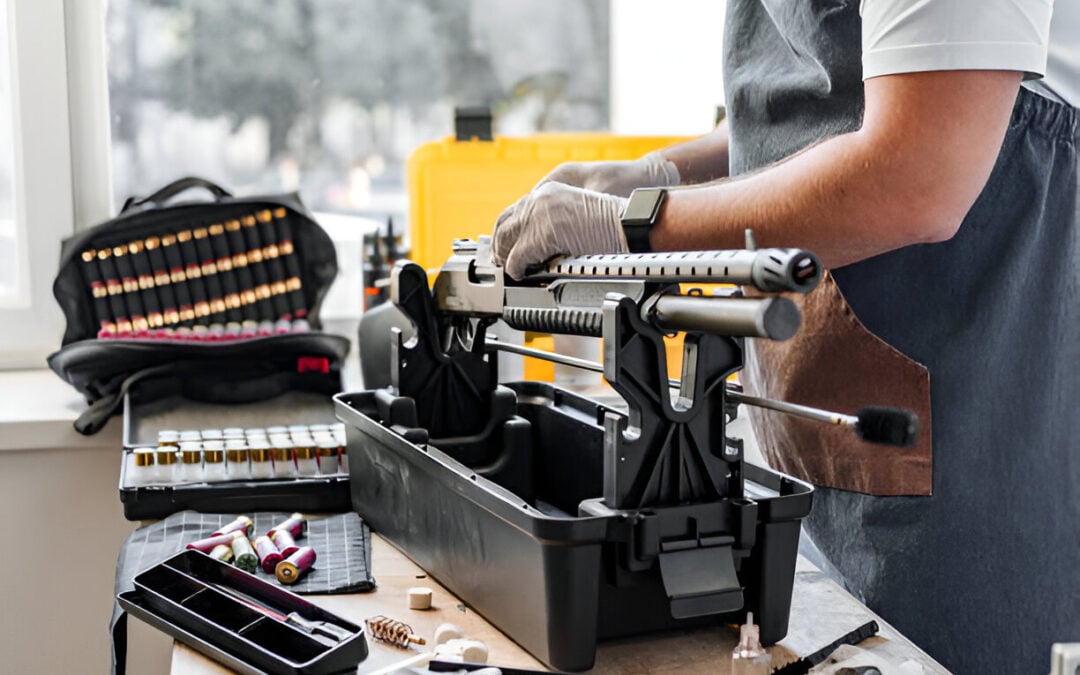
Introduction: Firearm Ownership Is a Responsibility
Owning a gun is more than just passing a background check or choosing the right caliber. Responsible firearm ownership means keeping your weapon in peak condition for safety, performance, and longevity.
At Rightful Liberty Arms, we believe gun maintenance is essential. This guide walks Reno gun owners through proper firearm care—from routine cleaning to smart storage. Whether you’re new to shooting or a seasoned collector, this 3,000-word resource covers everything you need to know.
Why Firearm Maintenance Matters
Safety First
A dirty or poorly maintained firearm increases the risk of accidental discharge, jams, and corrosion.
Performance Boost
Clean firearms shoot more accurately, cycle properly, and respond better in emergencies.
Legal Protection
Keeping your firearm stored and maintained according to Nevada law avoids liability in case of theft or misuse.
When Should You Clean Your Firearm?
General Rule:
Clean your firearm: – After every shooting session – Once every few months if stored long-term – Immediately if exposed to dust, dirt, or moisture
Warning Signs:
-
Increased misfires
-
Sticky or hard-to-pull trigger
-
Rust or residue buildup
For those unsure where to begin, we offer Consultative Selling that includes firearm education during purchase.
What You’ll Need: Gun Cleaning Kit Essentials
1. Bore Brush
Used to remove carbon and lead fouling from the barrel.
2. Cleaning Rod or Snake
Pushes brushes and patches through the barrel.
3. Solvent and Lubricant
Solvent removes grime; lubricant ensures smooth cycling.
4. Patches and Patch Holder
Used for swabbing the barrel and applying solvent/lube.
5. Toothbrush-Style Brush
Helps clean hard-to-reach areas like the chamber or slide rails.
6. Microfiber Cloths
To wipe down and polish your firearm.
Need help finding the right gear? Use our Special Order Service to get cleaning tools shipped directly to our store with no added fees.
Step-by-Step Firearm Cleaning Process
Step 1: Unload and Inspect
-
Remove magazine and clear the chamber.
-
Triple-check that it is unloaded.
Step 2: Disassemble Your Firearm
Follow your manufacturer’s guide or consult with our team if you’re unsure.
Step 3: Clean the Barrel
-
Attach bore brush to rod and apply solvent.
-
Run it through the barrel multiple times.
-
Use patches until they come out clean.
Step 4: Clean the Slide, Frame & Internals
-
Use brush and solvent on internal parts.
-
Wipe dry and inspect for damage or wear.
Step 5: Lubricate Key Components
-
Lightly oil moving parts and contact points.
-
Avoid over-lubrication—it attracts dirt.
Step 6: Reassemble and Function Check
-
Ensure smooth movement, no loose parts.
-
Perform dry fire to test trigger and slide.
💡 Unsure about disassembly? Visit us for live demos or enroll in USCCA Courses for hands-on instruction.
How Often Should You Inspect Your Firearm?
In addition to post-shooting cleanings, conduct a monthly inspection: – Check for rust or moisture – Ensure all screws and pins are tight – Confirm optics or accessories are secure
For estate collections, see our Estate Evaluation Service for proper appraisal and cleaning guidance.
Storage: The Often-Overlooked Maintenance Factor
Proper storage keeps firearms clean and secure. Nevada has no mandated storage law, but responsible ownership requires it.
Storage Tips:
-
Use a humidity-controlled safe
-
Store ammo separately
-
Use trigger locks if children are in the home
-
Avoid high-moisture areas (basements, garages)
Our Consultative Service helps you pick the right safes and locking systems based on your space.
Common Gun Cleaning Mistakes to Avoid
❌ Over-Oiling
Too much lube attracts dust and carbon.
❌ Skipping the Barrel
This is the dirtiest and most essential part to clean.
❌ Not Checking the Manual
Every gun is different—follow the manufacturer’s instructions.
❌ Forgetting to Inspect
Cleaning is the best time to identify wear and tear.
Climate and Reno’s Environmental Impact on Firearms
Reno’s high desert climate presents specific maintenance concerns: – Dust: Gets into barrels, slides, and chambers – Dry air: Can promote static buildup and attract particles – Sudden weather shifts: Affect moisture inside cases or safes
Consider using desiccants in storage and cleaning more frequently if you carry daily.
When to Get Professional Help
If you experience any of the following: – Persistent malfunctions after cleaning – Rust or pitting despite regular care – Loose components or cracked frames
Visit Rightful Liberty Arms for a full inspection or broker assistance if you’re looking to trade or resell.
We also offer full Gun Brokering Services if you’re considering upgrades.
Firearm Maintenance for Families and New Owners
New gun owners, especially households with children, benefit most from: – Training (e.g., USCCA Courses) – Proper cleaning education – Buying easy-to-maintain firearms (ask during your Consultation)
Final Checklist: Monthly Gun Care Routine
✅ Visually inspect firearm
✅ Dry fire and function test
✅ Clean barrel and internals
✅ Check screws, mounts, and safeties
✅ Log inspection in maintenance record
Conclusion: Treat Your Firearm Like a Tool—Not a Toy
A well-maintained firearm is a reliable one. Cleaning and caring for your weapon isn’t just about performance—it’s about safety, responsibility, and legal peace of mind.
Let our team at Rightful Liberty Arms guide you with expert advice, quality cleaning gear, and ongoing support. Visit us in Reno or explore our full Service Page to get started.